
Women’s Sports Trailblazers: The Legacies Beyond the Medals
Updated: Sep 30
Babe Didrikson Zaharias, Alice Coachman, Wilma Rudolph, and Billie Jean King extended their influence through professional golf, athlete assistance, education, and philanthropy.
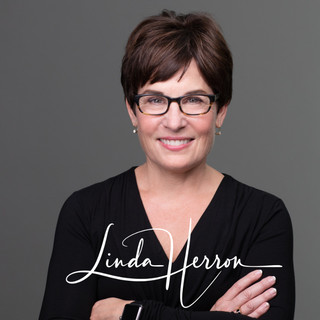
Written by Linda Herron
Women Sports USA®
Women’s sports trailblazers built legacies through the work they carried beyond competition. In 1987, Wilma Rudolph arrived at DePauw University as director of the women’s track program and a special consultant to the university president on minority affairs. Her experience as an athlete became part of a wider commitment to students, education, and belonging.
That chapter of her life deserves attention. It shows an athlete applying her experience in a different setting, where the outcome could be measured in another person’s development.
Several women’s sports trailblazers made similar commitments. They helped establish organizations, supported athletes facing financial difficulties, and connected sports with educational opportunity. Some began that work while still competing. Others developed it decades later.
Looking closely at those contributions gives us a fuller understanding of athletic legacy. It also reveals the practical work behind it: organizing events, raising money, teaching, and staying involved when someone needs help.
How Women’s Sports Trailblazers Built Lasting Support
An athlete’s reputation can bring attention to a cause. Turning that attention into dependable support requires an organization, a program, or people prepared to carry the work forward.
The women in these stories contributed in different ways. Zaharias joined fellow golfers in building a professional association. Coachman established assistance for athletes at different stages of life. Rudolph worked with young people and college students. King founded an organization whose work extended across sports.
Their examples invite us to consider a specific question: What happens when an athlete uses her knowledge of competition to address the needs surrounding it?
Babe Didrikson Zaharias: Sharing Responsibility for a Professional Tour
Babe Didrikson Zaharias was one of the 13 women who founded the LPGA in 1950. Her place among those founders connects her legacy to a collective undertaking alongside women such as Patty Berg, Louise Suggs, and Marilynn Smith. The World Golf Hall of Fame’s account of the LPGA founders recognizes that shared contribution.
The early work involved responsibilities that today’s spectators might associate with tournament staff. An account of the founders’ legacy describes players attending to sponsors and marking golf courses themselves. Helping the tour function was part of the job surrounding their own competition.

That detail changes how we see the word founder. It involves taking responsibility for what an organization needs, including work that attracts little applause. These women were competitors with individual ambitions, yet they also shared an interest in keeping their professional opportunities alive.
Zaharias belongs in that story as both an accomplished athlete and a participant in a larger building effort. Recognizing the other founders alongside her strengthens the history. A lasting organization depends on contributions that no single person can supply.
For athletes interested in leadership, this offers a useful example: understanding a sport includes understanding what it takes to run it.
Alice Coachman: Supporting Athletes at Both Ends of a Career
In 1994, Alice Coachman established the Alice Coachman Track and Field Foundation. Albany State University, her alma mater, described its purpose as assisting young athletes and former Olympic competitors. The organization connected two groups whose needs can be overlooked for different reasons.
A young athlete may need help reaching the next stage. A former competitor may need support after the structure of training and competition has ended. Coachman’s foundation recognized both within its mission. The National Women’s History Museum’s biography identifies financial need as a focus of that assistance.
This part of her story broadens the way we think about caring for athletes. Public attention often follows a promising newcomer or a celebrated champion. An athlete’s needs, however, can continue through less visible periods of life.
Coachman’s later contribution deserves recognition on its own terms. Decades after her competitive career, she undertook work directed toward other athletes’ circumstances. Her example poses a thoughtful question to sports communities: How well do we support people as they prepare to compete, and how well do we remain connected when they stop?
Wilma Rudolph: Bringing Athletic Experience Into Education
Rudolph’s work with young people included the Wilma Rudolph Foundation in Indianapolis, which mentored young athletes from underserved areas. Her later appointment at DePauw brought that commitment into a college setting, combining leadership in women’s track with responsibilities concerning minority affairs.
One detail in DePauw’s account of her work is especially revealing. Alan Hill, then the university’s director of financial aid and a volunteer track coach under Rudolph, recalled conversations with her about making a DePauw education affordable for more families. Her concern for students extended to whether they could access education related to their athletic experience.

That is a meaningful expansion of an athlete’s influence. Coaching involves helping someone improve, but a student’s ability to participate also depends on circumstances outside practice. Rudolph’s work brought those concerns into the same conversation.
Her example encourages us to see former athletes as people with knowledge to contribute across a campus or community. Their experience can inform teaching, mentoring, program leadership, and the decisions that help young people stay engaged.
Billie Jean King: Creating an Organization That Could Reach Across Sports
Billie Jean King founded the Women’s Sports Foundation in 1974 to advance the lives of girls and women through sports. The organization gave her advocacy a home that could involve other athletes, donors, researchers, and community partners. Its work developed beyond the boundaries of tennis.
One concrete example is the foundation’s Travel & Training Fund, which began awarding grants in 1984. Recipients have included athletes and teams across disciplines, including figure skater Michelle Kwan, gymnast Gabby Douglas, bobsledder Elana Meyers Taylor, and the U.S. Deaf Women’s National Soccer Team.
The program illustrates how an institution can turn a broad commitment into a particular form of help. Training and competition require resources. A grant creates a way to direct support toward those expenses, with a process for identifying athletes and distributing assistance.

King’s contribution also shows why the organization's work must be recognized alongside its founder. Staff, supporters, and partners sustain programs over time. Establishing that framework allows an athlete’s initial commitment to become something many people can participate in and strengthen.
A Fuller Measure of Athletic Legacy
These stories suggest several ways to recognize a contribution to sports. We can look at an organization she helped establish, students she mentored, athletes she assisted, or responsibilities she took on on behalf of her peers.
Those contributions have their own demands. They require cooperation, follow-through, and attention to practical needs. They also provide athletic experience that can be useful as a person’s role changes.
The same questions can deepen our understanding of local sports leaders. Our Coach Carol Spaziano spotlight offers another story to explore through that lens: What did she help build, and who was able to participate because of her work?
At Women Sports USA®, we want to tell the chapters that a results sheet cannot hold. Asking what an athlete built, taught, funded, or helped sustain allows us to recognize more of her contribution.
A legacy can continue in a program’s next season, a student’s next semester, or an athlete receiving help when she needs it. Those outcomes deserve a place in the story.
Know a woman whose work in sports deserves a closer look? Nominate her for a Women Sports USA® story.
Dream. Believe. Achieve.
Keep the inspiration going.
Get women’s sports stories and interviews delivered to your inbox.
Whose story should we tell?
Help us recognize an athlete, coach, official, or trailblazer.
Help more stories reach the world.
Explore ways your organization can support our storytelling mission.

Linda Herron is the Founder and CEO of Women Sports USA®. She is a former Division I field hockey athlete and coach, an author, and a business finance executive with over 40 years of experience.


Comments