
Creating a Positive Team Culture: Where Every Athlete Can Belong and Thrive

Written by Linda Herron
Founder of Women Sports USA®
A strong team is not built by talent alone. It is built through trust, respect, communication, and the belief that every athlete matters.
A positive team culture influences how athletes feel when they arrive at practice, how they respond to mistakes, and how confidently they contribute. It shapes whether teammates support one another through challenges and whether athletes leave the season feeling stronger than when it began.
Coaches help establish this culture, but they cannot create it alone. Athletes, families, administrators, and team leaders all contribute to the environment surrounding a team.
When everyone takes responsibility for that environment, sports become more than competition. They become a place where athletes learn to belong, grow, lead, and succeed together.
How a Positive Team Culture Begins With Belonging
Before athletes can perform at their best, they need to feel that they belong.
Belonging means more than appearing on a roster or wearing the same uniform. It means knowing that your effort is recognized, your voice is valued, and your presence contributes something meaningful to the team. The Positive Coaching Alliance explains how trusting relationships can strengthen athletes’ sense of belonging, willingness to learn, mental well-being, and confidence when facing challenges.
This is especially important for young athletes who may be entering a new program, learning an unfamiliar position, or questioning whether they are good enough to compete. A welcoming teammate or encouraging coach can make the difference between an athlete feeling isolated and feeling ready to participate.

Small actions help create that sense of connection:
Greeting every athlete by name
Including new teammates in conversations
Recognizing improvement as well as achievement
Encouraging athletes in every role
Making sure no one is repeatedly left out
Celebrating the different strengths athletes bring to the team
A team becomes stronger when athletes do not have to earn the right to belong. They should feel included from the moment they join.
Coaches Set the Standard Through Everyday Actions
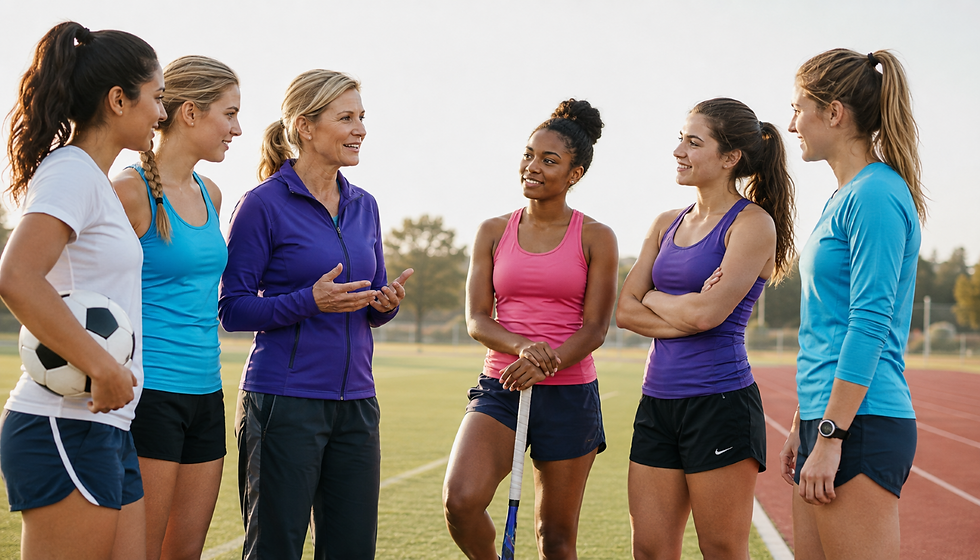
Athletes notice much more than the instructions a coach gives during practice. They notice how the coach responds when someone makes a mistake, how playing-time decisions are communicated, and whether every athlete is treated with dignity.
A coach’s everyday behavior establishes what the team will accept and value, demonstrating how women coaches shape athletes beyond the scoreboard.
When coaches communicate calmly, athletes learn how to handle pressure. When coaches acknowledge their own mistakes, athletes learn that accountability is a strength. When coaches show consistent respect to players, officials, opponents, and families, they demonstrate what sportsmanship looks like in action.
Creating a positive culture does not mean avoiding high expectations. Athletes can be challenged, corrected, and held accountable within a supportive environment.
In fact, clear standards can make athletes feel more secure. They understand what is expected, how decisions are made, and what they can do to improve.
The most effective coaches combine accountability with encouragement. Their athletes hear both: “We can do better” and “I believe you can.”
Respect Must Be Practiced, Not Simply Discussed
Many teams talk about respect at the beginning of a season. Positive teams continue practicing it throughout the year.
Respect appears in how teammates speak to one another, especially during difficult moments. It is demonstrated when athletes listen during instruction, support someone returning from an injury, and recognize the contributions of players whose roles receive less attention.
It also means refusing to normalize cliques, exclusion, humiliation, or jokes made at another person’s expense.
Team leaders play an especially important role. When experienced athletes welcome younger players and refuse to participate in harmful behavior, they help establish what leadership should look like.
Respect should extend beyond the team. The way athletes treat officials, opponents, volunteers, and support staff reflects the values of the entire program.
Winning may reveal what a team can accomplish. Respect reveals who the team has chosen to become.
Open Communication Builds Trust
Athletes are more likely to speak honestly when they believe they will be heard without being embarrassed or dismissed.
That does not mean every athlete will agree with every decision. It means concerns can be raised respectfully, expectations are explained clearly, and difficult conversations are handled with care.
Coaches can encourage open communication by checking in with athletes regularly rather than waiting for a major problem. A simple question—“How are you feeling about your role?”—can reveal concerns that might otherwise remain hidden.

Athletes also need to learn how to communicate directly with one another. Misunderstandings happen on every team. A positive culture gives athletes the tools to address issues rather than allowing frustration to turn into resentment.
Healthy communication includes:
· Listening before responding
· Speaking directly and respectfully
· Asking questions instead of making assumptions
· Addressing problems early
· Apologizing when necessary
· Focusing on solutions rather than blame
Trust grows when words and actions are consistent. Athletes should know that honest communication will be treated as an opportunity to strengthen the team.
Mistakes Should Become Opportunities to Learn
Fear of making mistakes can prevent athletes from playing freely, trying new skills, or taking responsibility.
When every error results in embarrassment or anger, athletes may begin playing only to avoid failure. That environment limits both confidence and development.
Positive teams view mistakes differently. They still analyze what went wrong, but the purpose is improvement—not humiliation. TrueSport’s guidance on psychological safety encourages coaches to create environments where athletes can make mistakes without shame while remaining accountable and learning from the experience.
A missed shot, defensive mistake, or poor decision can become a valuable teaching moment. Coaches can help athletes ask:
· What happened?
· What can we learn from it?
· What will we try next time?
This approach does not remove accountability. It makes accountability productive.
Teammates also influence how athletes respond to mistakes. A quick word of encouragement can help a player reset and remain engaged. Criticism, eye-rolling, or blame can cause one mistake to affect the rest of the game.

Resilient teams do not expect perfection. They learn how to recover together.
Every Role Should Be Valued
Not every athlete will be the leading scorer, team captain, or most recognized player. Yet every athlete can contribute to the team’s success.
Some teammates bring energy to practice. Others communicate well under pressure, encourage athletes who are struggling, or quietly model consistency. Substitute players help maintain intensity and must remain prepared when their opportunity arrives. Injured athletes can continue contributing through leadership and support.
Coaches strengthen team culture when they acknowledge these different forms of contribution and give athletes opportunities to practice responsibility, communication, and leadership.
This does not mean pretending that every role is identical. It means helping athletes understand why their role matters and how they can continue growing.
When recognition is reserved only for the most visible performers, athletes may begin measuring their worth through statistics and playing time alone. When effort, improvement, leadership, and sportsmanship are also celebrated, success takes on a broader and healthier meaning.
Every athlete deserves to know that she is more than her position, performance, or place on the depth chart.
Team Traditions Can Strengthen Connection
Shared traditions can help athletes feel connected to something larger than themselves.
These traditions do not need to be expensive or elaborate. A pregame ritual, weekly team reflection, community service project, or season-ending celebration can create meaningful memories.
The most valuable traditions reflect the team’s purpose and include everyone. They should strengthen connections rather than reinforce status or exclude newer athletes.
Teams might:
· Recognize a teammate who demonstrated courage or kindness
· Invite athletes to share weekly goals
· Celebrate academic and personal accomplishments
· Volunteer together in the community
· Welcome new players through a team tradition
· Ask graduating athletes to share lessons with younger teammates
Traditions help tell the story of a program. Over time, they show athletes what previous teams valued and what the current team hopes to carry forward.
Families and Supporters Influence the Culture Too
Team culture does not end when practice is over.
Parents and supporters influence how athletes interpret success, disappointment, playing time, and competition. When adults criticize coaches, officials, teammates, or other families, that negativity can follow athletes back into the team environment.
Supportive adults help by keeping the focus on effort, learning, and enjoyment. After a game, athletes may benefit more from hearing “I loved watching you play” than from receiving an immediate evaluation of everything they did wrong.
Families can also reinforce team values by communicating respectfully, following program expectations, and allowing athletes to develop their own voices.
A strong partnership among coaches, athletes, and families creates consistency. Everyone does not have to agree at all times, but respectful communication should remain the standard.
Positive Culture Requires Ongoing Commitment
A team does not establish its culture during one preseason meeting. Culture is created through the choices people make every day.
It is built when an athlete includes a teammate who feels left out. It is strengthened when a coach handles a difficult conversation with fairness. It is protected when team leaders speak up against disrespectful behavior.
There will be challenging moments. Teams will experience losses, injuries, disagreements, and unmet expectations. Those moments do not automatically weaken the culture. They reveal it.
The question is not whether a team will encounter adversity. The question is how its members will respond when it arrives.
Positive teams return to their shared values. They communicate, accept responsibility, support one another, and keep working toward a solution.
The Impact Lasts Beyond the Season
Athletes may not remember every score or statistic, but they often remember how being part of a team made them feel.
They remember the coach who believed in them, the teammate who stood beside them, and the moment they realized their voice mattered. They remember whether they felt safe enough to try, fail, grow, and try again.
Creating a positive team culture is not separate from athletic success. It supports it. Athletes who trust one another communicate more effectively, respond to adversity with greater resilience, and compete with a stronger sense of shared purpose.
More importantly, they carry those lessons into their lives beyond sports. This lasting influence is also why coaching healthy athletes for life requires supporting the whole person—not simply improving athletic performance.
They learn how to include others, lead with empathy, accept feedback, resolve conflict, and contribute to something larger than themselves.
That is the true power of a positive team culture. It does not simply create a better season. It helps build stronger athletes, leaders, and communities.
Women Sports USA®
At Women Sports USA®, we believe every athlete deserves a team environment where she feels respected, supported, and empowered to grow. When coaches, athletes, and families work together to build positive cultures, sports become a powerful place of belonging, confidence, and lifelong leadership.
Every story matters. Every athlete matters.
Dream. Believe. Achieve.

Linda Herron is the founder of Women Sports USA®, a former Division I field hockey athlete, coach, author, and longtime advocate for preserving women’s sports history. Through storytelling, she celebrates the athletes, coaches, officials, and trailblazers who helped change the game.


Comments