
Coaching Healthy Athletes for Life

Written by Linda Herron, Founder of Women Sports USA®
A coach’s influence reaches far beyond practices, competitions, and final scores. Coaches help shape how athletes view their bodies, respond to challenges, care for their health, and define success.
The strongest coaching does more than prepare athletes for the next game. It gives them the confidence, knowledge, and healthy habits they can carry throughout their lives.
Coaching Healthy Athletes Means Looking Beyond Physical Fitness
Physical conditioning is an important part of athletics, but an athlete’s well-being involves much more than strength, speed, or endurance.
A healthy athlete is supported physically, mentally, and emotionally. She learns how to fuel her body, recognize when she needs rest, manage pressure, recover from setbacks, and speak up when something does not feel right.
Coaches help establish this foundation through the expectations they set and the messages they repeat. When athletes hear that rest matters, injuries should be reported, meals are fuel, and asking for help is a sign of strength, they begin to understand that caring for themselves is part of being an athlete.
That lesson can last much longer than any season.
Teaching Athletes to Respect Their Bodies
Sports can help athletes appreciate what their bodies can do. They experience the satisfaction of becoming stronger, learning a new skill, improving their endurance, and accomplishing something that once felt impossible.
Coaches can reinforce this positive connection by focusing on performance, effort, and health instead of appearance.
Comments about weight, body shape, or size can remain with athletes for years. Even remarks intended as motivation may negatively affect an athlete’s confidence or relationship with food and exercise.
Healthy coaching language sounds different. It celebrates strength, energy, progress, consistency, and recovery. It helps athletes see their bodies as capable—not as objects that must meet a particular standard.
When girls and women learn to value their bodies for what they can accomplish, they are more likely to develop confidence that extends beyond sports.
Rest and Recovery Are Part of Training
Athletes are often praised for pushing through discomfort. Determination is valuable, but athletes must also learn the difference between working hard and placing their health at risk.
Rest is not a sign of weakness. Recovery is not time wasted. Both are essential parts of athletic development.

Coaches can demonstrate this by building recovery into training, encouraging athletes to report pain, and responding seriously when an athlete says something is wrong. They can also explain that sleep, hydration, nutrition, and appropriate rest help the body become stronger.
Athletes who learn to listen to their bodies are better prepared to make healthy decisions later in life. Instead of believing every workout must be exhausting, they understand that movement should support their long-term well-being.
Mental Health Belongs in the Coaching Conversation
Athletes may experience pressure from competition, school, family responsibilities, social media, recruiting, injuries, or expectations they place upon themselves. Some may struggle quietly because they believe they must always appear confident and composed.
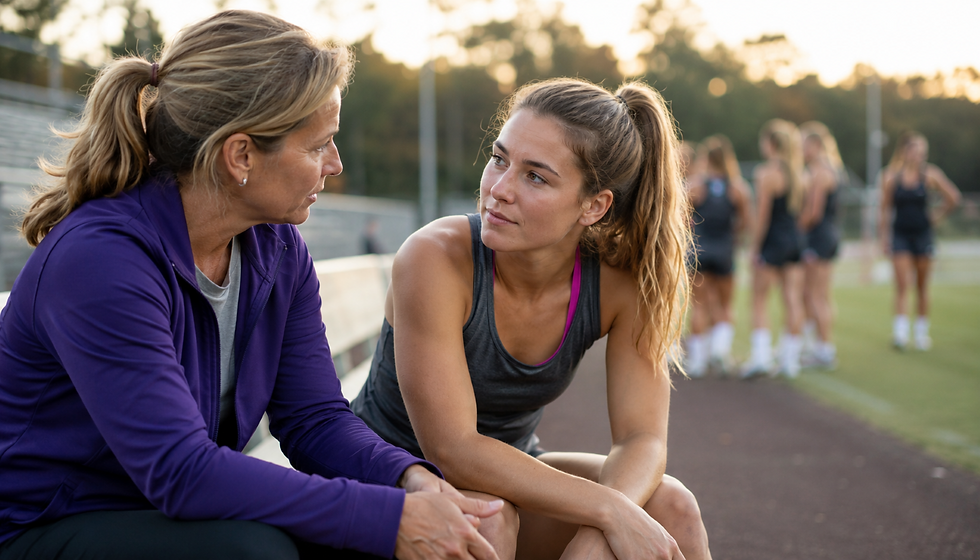
A coach does not have to be a mental health professional to create a supportive environment. Listening without judgment, checking in after a difficult practice, noticing changes in behavior, and helping an athlete connect with qualified support can make an enormous difference.
Coaches and athletic programs can also explore the NCAA Mental Health Best Practices for guidance on creating environments that support athlete well-being and connect athletes with qualified care.
Coaches can also remind athletes that performance does not determine their worth. A disappointing game does not make someone a failure. A starting position does not make one athlete more valuable than another.
When coaches separate personal worth from athletic results, they help athletes develop a healthier and more resilient sense of identity.
Create a Culture Where Athletes Can Speak Up
Healthy teams are built on trust. Athletes should feel safe asking questions, reporting an injury, discussing a concern, or admitting when they are overwhelmed.
That sense of safety begins with the coach.
If athletes fear embarrassment, punishment, or losing their position, they may remain silent about pain or emotional distress. When coaches respond with respect and concern, athletes learn that their voices matter.
This is especially important for young female athletes, who are still learning how to advocate for themselves. Sports can become one of the first places where they practice setting boundaries, communicating their needs, and trusting their judgment.
Those skills can protect and empower them in school, relationships, workplaces, and communities.
Make Room for Life Beyond the Sport
Commitment is part of being an athlete, but a healthy athletic identity leaves room for other interests, relationships, and goals.
Athletes need opportunities to be students, friends, family members, artists, musicians, volunteers, and young people who are still discovering who they are. Coaches can support this balance by respecting academic responsibilities, encouraging time with family, and recognizing that athletes are whole people.
A balanced athlete is not less dedicated. She is building a broader foundation for her future.
Most athletes will eventually stop competing at the level they do today. When that time comes, they should know that their identity, confidence, and value remain intact.
Help Athletes Build a Lifelong Relationship With Movement
One of the greatest gifts a coach can give an athlete is a positive relationship with physical activity.
If exercise is consistently connected to punishment, shame, or fear, athletes may walk away from movement when their competitive years end. If movement is associated with strength, friendship, energy, accomplishment, and joy, they are more likely to remain active.

Coaches can help athletes recognize that movement will change throughout their lives. A former competitor may eventually choose walking, strength training, swimming, cycling, yoga, recreational leagues, or another activity that supports her health.
The goal is not to train at peak intensity forever. The goal is to keep moving in ways that are safe, meaningful, and enjoyable.
Coaches Help Define What Success Looks Like
Winning will always be part of competitive sports, but it should never be the only measure of successful coaching.
Success can also be seen in the athlete who learns to speak with confidence. It is found in the teammate who supports someone after a mistake, the player who reports an injury instead of hiding it, and the young woman who continues to enjoy movement years after her final competition.
Scores eventually fade. Records are broken. Seasons end.
The way an athlete learned to care for herself can remain for a lifetime.
Coaching the Whole Athlete Creates a Lasting Legacy
The most influential coaches understand that they are developing people, not simply players.
They teach athletes to work hard while respecting their limits. They encourage ambition without sacrificing well-being. They create environments where strength includes asking for help and where success includes becoming a healthy, confident, and compassionate person.
A coach may only work with an athlete for one season or a few years, but the lessons from that relationship can shape decades of choices.
That is the lasting power of coaching healthy athletes for life.
At Women Sports USA®, we celebrate the coaches who recognize that every athlete is a whole person. By making health, confidence, balance, and lifelong movement part of the coaching experience, we can help today’s athletes become stronger women for generations to come.
Dream. Believe. Achieve.
Women Sports USA®
Honoring the Past. Empowering the Future.

Linda Herron is the founder of Women Sports USA®, a former Division I field hockey athlete, coach, author, and longtime advocate for preserving women’s sports history. Through storytelling, she celebrates the athletes, coaches, officials, and trailblazers who helped change the game.


A powerful reminder that great coaching is about so much more than winning. This article beautifully explains how coaches can support athletes’ physical health, mental well-being, confidence, and lifelong relationship with movement. Every coach, parent, and sports leader should read it.