
Active Communities for Women: Parks, Trails and Programs Helping Women Stay Active
When communities make movement accessible, welcoming, and visible, they help women build healthier routines—and stronger connections that can last a lifetime.
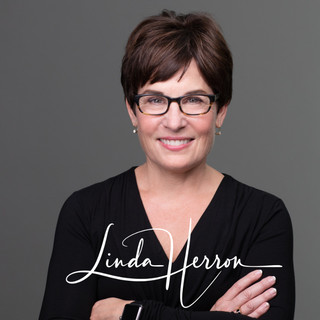
Written by Linda Herron
Women Sports USA®
Staying active does not always begin in a gym, on a team, or with a formal training plan.
Sometimes it begins with a walking path close to home, a free fitness class at a local park, a neighborhood trail, a community pool, or a recreation program that makes movement possible again.
For women balancing work, family, caregiving, health changes, and financial responsibilities, these community spaces can make an enormous difference. They remove some of the barriers that make physical activity difficult and replace them with opportunity, connection, and encouragement.
An active community does more than provide places to exercise. It creates an environment where women of all ages and abilities can continue moving, try something new, and feel that they belong.
Movement Becomes Easier When Opportunity Is Close to Home
The distance between wanting to be active and actually becoming active can be surprisingly small. A safe sidewalk, nearby park, or well-maintained trail may be all it takes to turn an intention into a routine.
Convenience matters. When women can walk before work, visit a park with their children, join a class after dinner, or use a trail without traveling across town, movement fits more naturally into daily life. It becomes less of a special event and more of a regular habit.
That accessibility is especially important for women returning to activity after an injury, illness, pregnancy, caregiving season, or long break. As explored in The Lifelong Athlete: Why Movement Matters at Every Age, staying active can mean adjusting movement to meet the body’s changing needs.. A community setting can offer a gentler way to begin—one walk, one class, and one step at a time.

Parks Offer More Than Open Space
A good park can serve many kinds of movement at once. One woman may walk the perimeter while another joins an outdoor yoga class. Families may use a playground, older adults may gather for tai chi, and athletes may use open fields for drills, conditioning, or informal games.
This flexibility makes parks valuable because there is no single definition of what being active must look like. Movement can be competitive or recreational, structured or spontaneous, vigorous or gentle. The most important thing is that women have a place where activity feels available to them. The Centers for Disease Control and Prevention explains that safe access to parks, trails, and recreation facilities can encourage physical activity while supporting physical health, mental well-being, and social connection.
Parks also make movement visible. Seeing women of different ages and abilities walking, stretching, running, coaching, and playing sends a powerful message: active living belongs to everyone.
Trails Create Space for Progress at Every Pace
Trails invite women to move forward without requiring them to compare themselves with anyone else. A trail can support a first ten-minute walk, a weekend hike, a bike ride, a running goal, or a quiet hour outdoors.
The experience is both physical and personal. Time on a trail can reduce the noise of daily responsibilities and give women room to think, breathe, and reconnect with themselves. When trails are clearly marked, well-maintained, accessible, and connected to neighborhoods, they become important pathways to long-term wellness.
They can also create community. Walking groups, running clubs, and hiking meetups help women build confidence while making activity more social. For someone who feels uncertain about starting alone, an invitation to join others can be the beginning of a lasting routine.

Community Programs Turn Access Into Belonging
Facilities matter, but programs help bring those spaces to life. Recreation departments, libraries, senior centers, schools, and nonprofit organizations can offer classes, leagues, clinics, and walking groups that welcome women at different stages of life.
Affordable programs are especially valuable. Not every woman has access to private clubs, specialized equipment, or costly memberships. Free and low-cost opportunities allow more women to participate without making physical activity another financial burden.
The most effective programs also understand that confidence may need to be rebuilt. That supportive approach reflects the principles shared in Coaching Healthy Athletes for Life, where encouragement, adaptability, and long-term well-being matter more than performance alone. Beginner-friendly instruction, adaptable activities, and supportive leaders can help a woman feel comfortable enough to return the next week. That sense of belonging is often what transforms a short-term program into a long-term habit.

Safe and Inclusive Design Helps More Women Participate
A park or trail may exist, but that does not automatically mean every woman feels able to use it. Lighting, restrooms, parking, signs, surface conditions, visibility, and accessibility all influence whether a space feels welcoming and practical. The CDC’s guidance on designing activity-friendly communities also emphasizes connected routes, safe sidewalks, trails, lighting, benches, public restrooms, and access to nearby parks.
Communities also need to listen to the women who use—or would like to use—these spaces. Mothers may need programming that works with family schedules. Older women may value benches and smooth walking surfaces. Women with disabilities may need accessible routes and equipment. Beginners may need clear information about where to start and what to expect.
When women are included in planning and decision-making, public spaces can reflect real lives instead of assumed needs. That is how access becomes meaningful.
Active Communities Strengthen More Than Individual Health
When women stay active, the impact often reaches beyond one person. Children see movement modeled as a normal part of life. Friends encourage one another. Neighbors connect. Women who regain confidence may become volunteers, coaches, walking group leaders, or advocates for better community resources.
These shared spaces can also reduce isolation. A familiar face on a morning walk or a weekly class can create consistency and connection, especially during seasons of transition. Movement becomes a way to care for both physical and social well-being.
In that way, active communities create a ripple effect. As Women Sports USA® explored in The Ripple Effect: How Women’s Sports Strengthen Communities, opportunities for women and girls to participate can positively influence families, schools, and entire communities.
They help women move, but they also help communities become healthier, more connected, and more resilient.
How to Build Active Communities for Women
Supporting active women does not always require a major new facility. Sometimes progress begins by improving a trail, adding lights, expanding program hours, offering a beginner class, creating a women’s walking group, or simply making information easier to find.
Community leaders can ask a powerful question: What would make it easier for more women to be active here? The answers may be different in every town, city, and neighborhood, but the act of asking matters.
Women should not have to be elite athletes—or even think of themselves as athletes—to deserve welcoming places to move. Every woman benefits when activity is safe, affordable, nearby, and supported.
When Women Move, Communities Move Forward
Parks, trails, and community programs may look like simple local resources, but their impact can be life-changing. They give women places to begin again, continue lifelong habits, discover new activities, and connect with others along the way.
An active community tells women that their health matters, their presence is valued, and there is space for them at every age and every pace.
When communities invest in opportunities for women to move, they invest in stronger families, deeper connections, and a healthier future for everyone.
Women Sports USA®
At Women Sports USA®, we believe movement belongs to every woman—not only during competition, but throughout every season of life. By celebrating the parks, trails, programs, and people that make activity possible, we help build communities where more women can move with confidence, connection, and purpose.
Dream. Believe. Achieve.

Linda Herron is the founder of Women Sports USA®, a former Division I field hockey athlete, coach, author, and longtime advocate for preserving women’s sports history. Through storytelling, she celebrates the athletes, coaches, officials, and trailblazers who helped change the game.
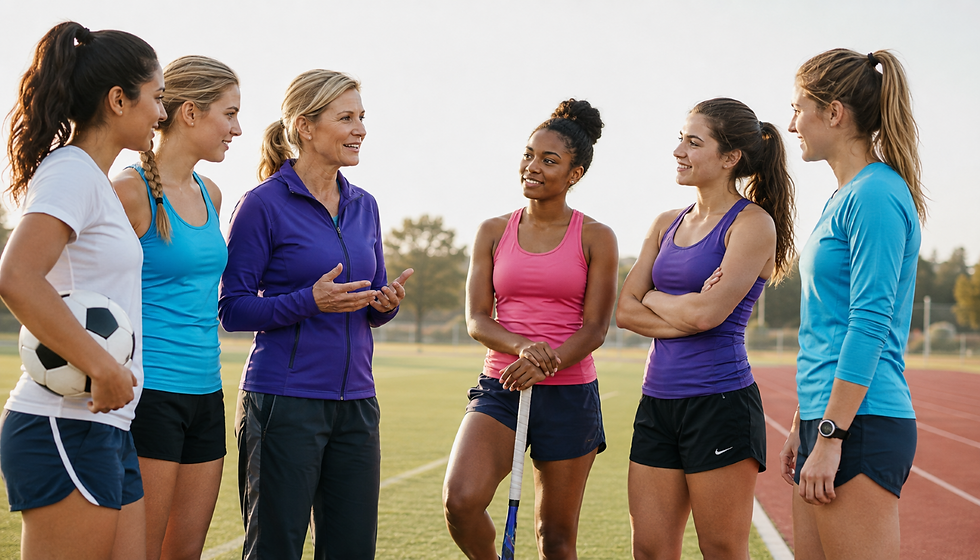


After being away from regular exercise for a long time, I needed the reminder that getting active again does not have to begin with an intense workout. This article encouraged me to start where I am—by walking on a nearby trail and slowly rebuilding my confidence. Movement feels possible again, one step at a time.